
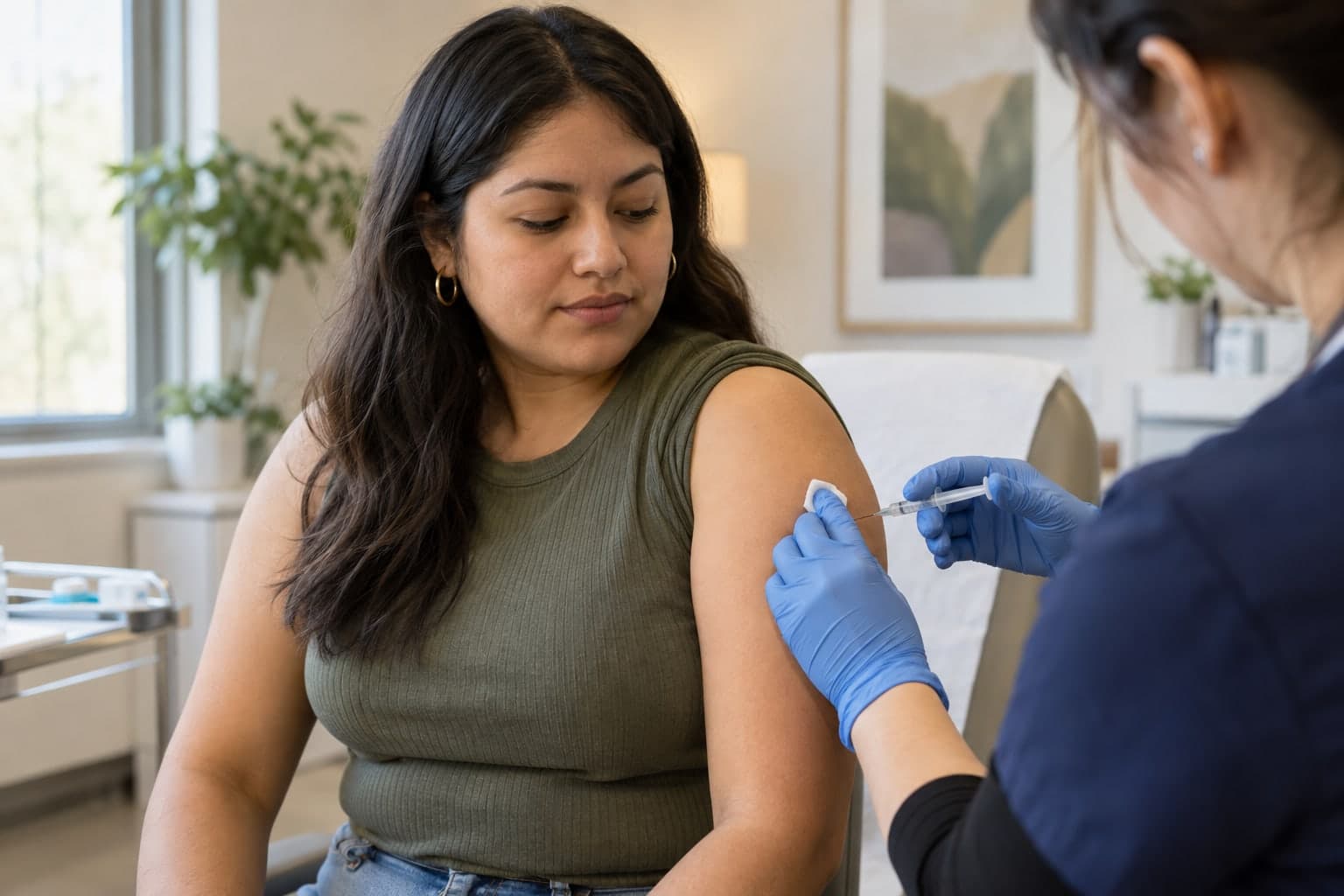
What it is and what it is not
Emergency contraception, often called the morning after pill or by the brand name Plan B, works mainly by delaying ovulation so that an egg is not released. It is not the abortion pill, and it does not end a pregnancy that has already begun.
It is a backup, not a routine method. If you find yourself needing it more than occasionally, come and talk with us about a method that fits your life better.
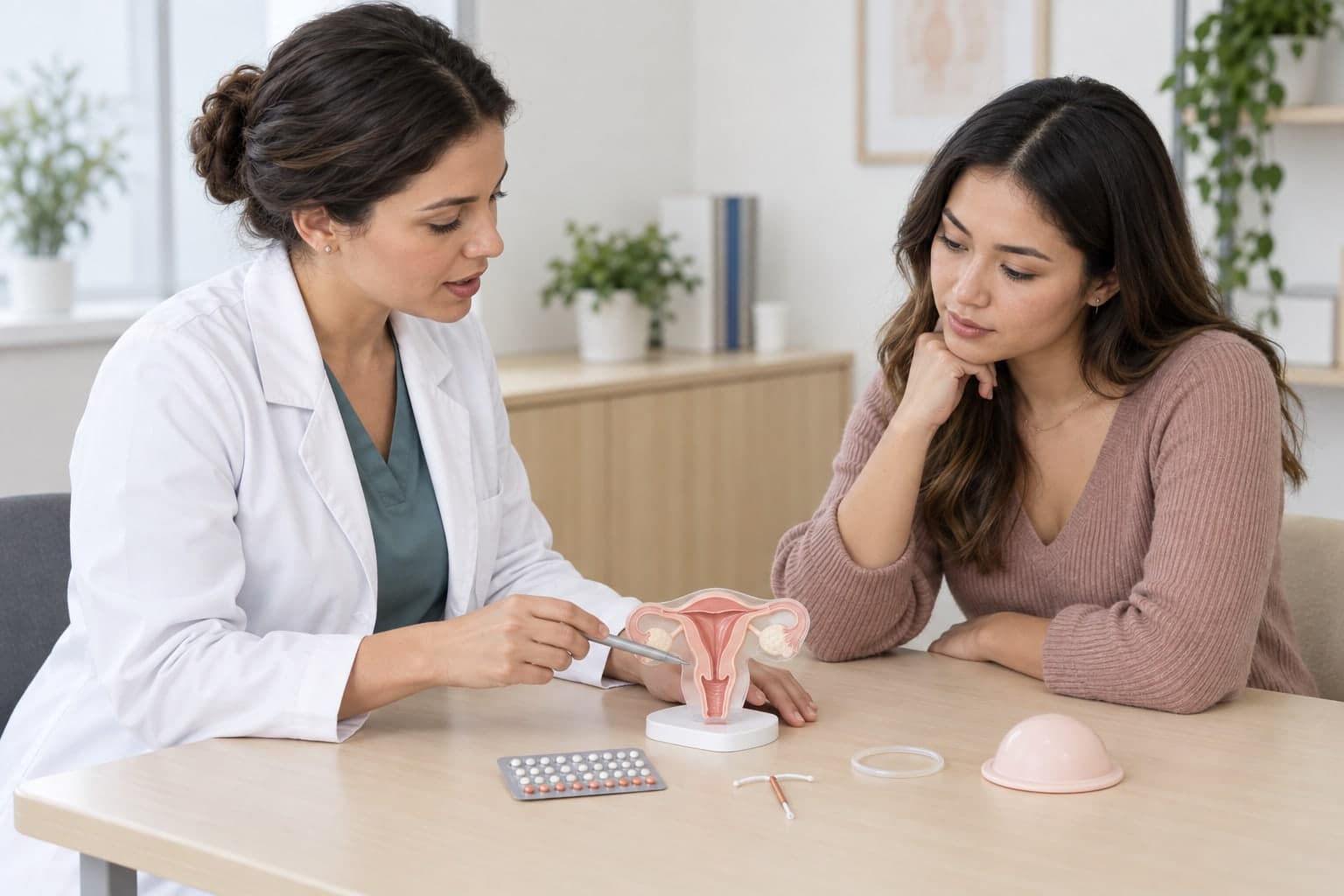
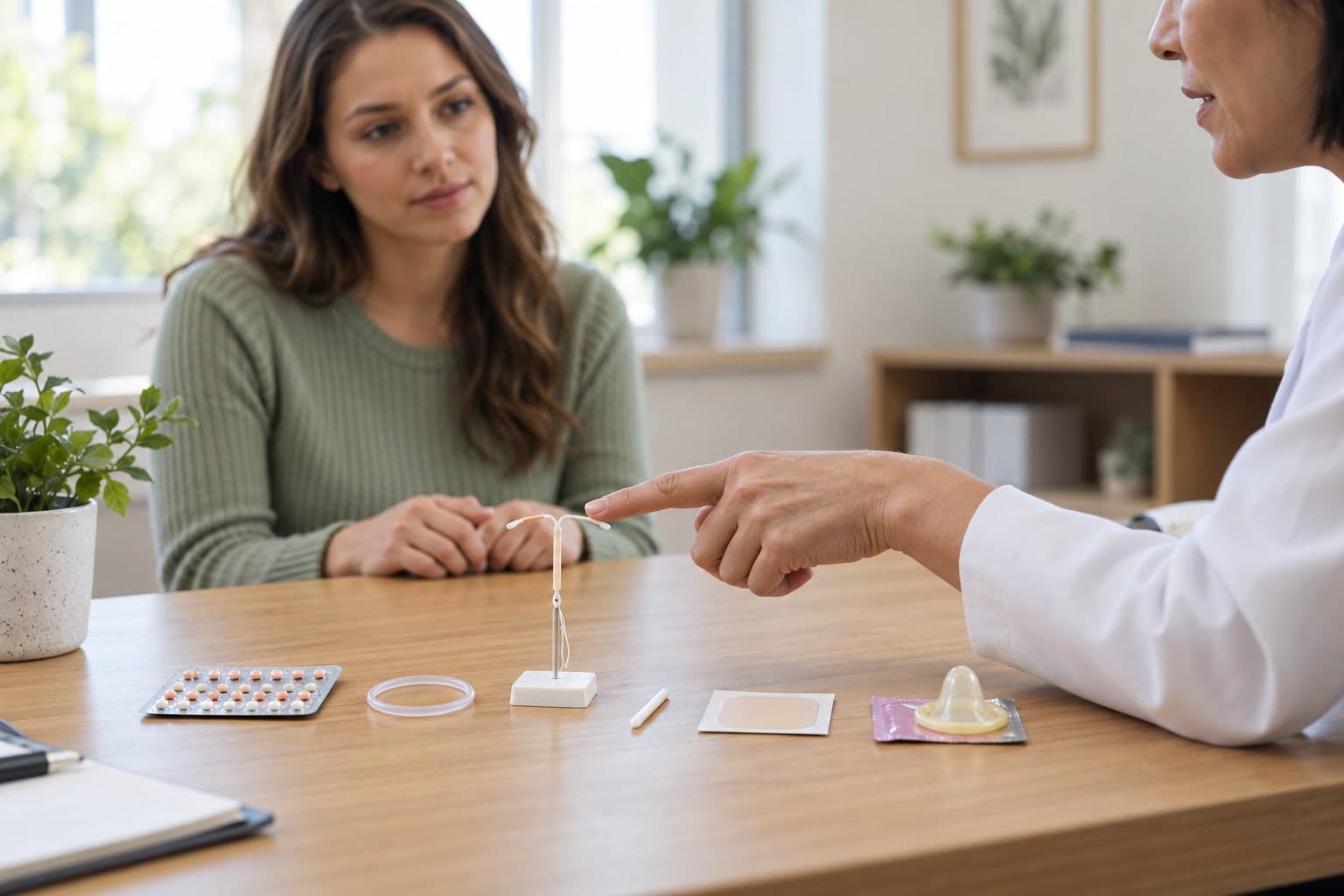
Timing matters
Effectiveness falls the longer you wait, so take it as soon as you can. There is a limited window after unprotected sex during which it is worth taking at all, and your clinician will tell you where you stand.
A copper IUD can also be used as emergency contraception within a short window, and it then keeps working as ongoing birth control. Ask us whether that is an option for you.
Afterwards
- Your next period may come early, late, or be heavier or lighter than usual.
- Take a pregnancy test if your period is more than a week late.
- Emergency contraception does not protect you from sexually transmitted infections.
- It does not protect you from pregnancy from sex you have after taking it.

Frequently asked questions
How soon do I need to take it?
As soon as possible. It becomes less effective with every day that passes, so do not wait for the weekend to be over. Call us and we will tell you what your options are today.
Is this the same as the abortion pill?
No. Emergency contraception works by preventing pregnancy from starting, usually by delaying ovulation. The abortion pill ends a pregnancy that has already begun. They are different medicines used at different points.
Will it affect my ability to get pregnant later?
No. It has no lasting effect on your fertility.
Can I use it as my regular birth control?
It is not designed for that and it is less effective than ongoing methods. If you are reaching for it often, come in and we will find you something that works better.